


Durable Medical Equipment: Protecting Medicare and Medicaid from Fraud, Waste, and Abuse
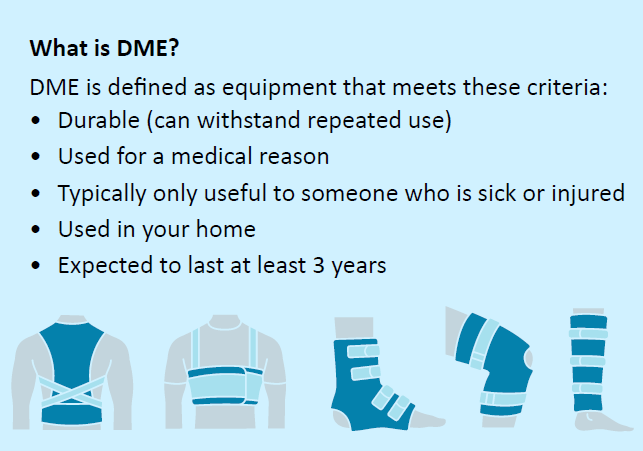

Durable Medical Equipment (DME) includes essential medical devices and supplies, such as wheelchairs, glucose monitors, orthotic braces and catheters, that help patients manage their health conditions safely and effectively. These items are vital for millions of Medicare and Medicaid beneficiaries, improving their quality of life and supporting their medical needs.
Unfortunately, the DME sector is a frequent target for fraud, waste, and abuse. DME fraud can take many forms, including billing for equipment that is never delivered, providing unnecessary items, substituting billed equipment for an inferior product or falsifying claims or documentation. These fraudulent practices not only harm taxpayers and strain health care resources but also put vulnerable patients at risk by undermining the integrity of Medicare and Medicaid programs.
The U.S. Department of Health and Human Services Office of Inspector General (HHS-OIG) is committed to addressing these challenges. Through audits, evaluations, investigations, enforcement actions, and education, we work tirelessly to combat fraud, waste, and abuse in the DME sector, protecting patients and ensuring that health care funds are used appropriately.
Enforcement Actions
Utilizing the latest data analytics in combination with traditional investigative techniques, our investigators identify and dismantle DME schemes designed to defraud Medicare and Medicaid.
Reports
We conduct rigorous audits and evaluations to identify vulnerabilities in Medicare and Medicaid related to DME. These reports provide actionable recommendations to improve oversight, reduce improper payments, and protect beneficiaries.
Work Plan Items
Spotlight: Combating Fraud in Urinary Catheters
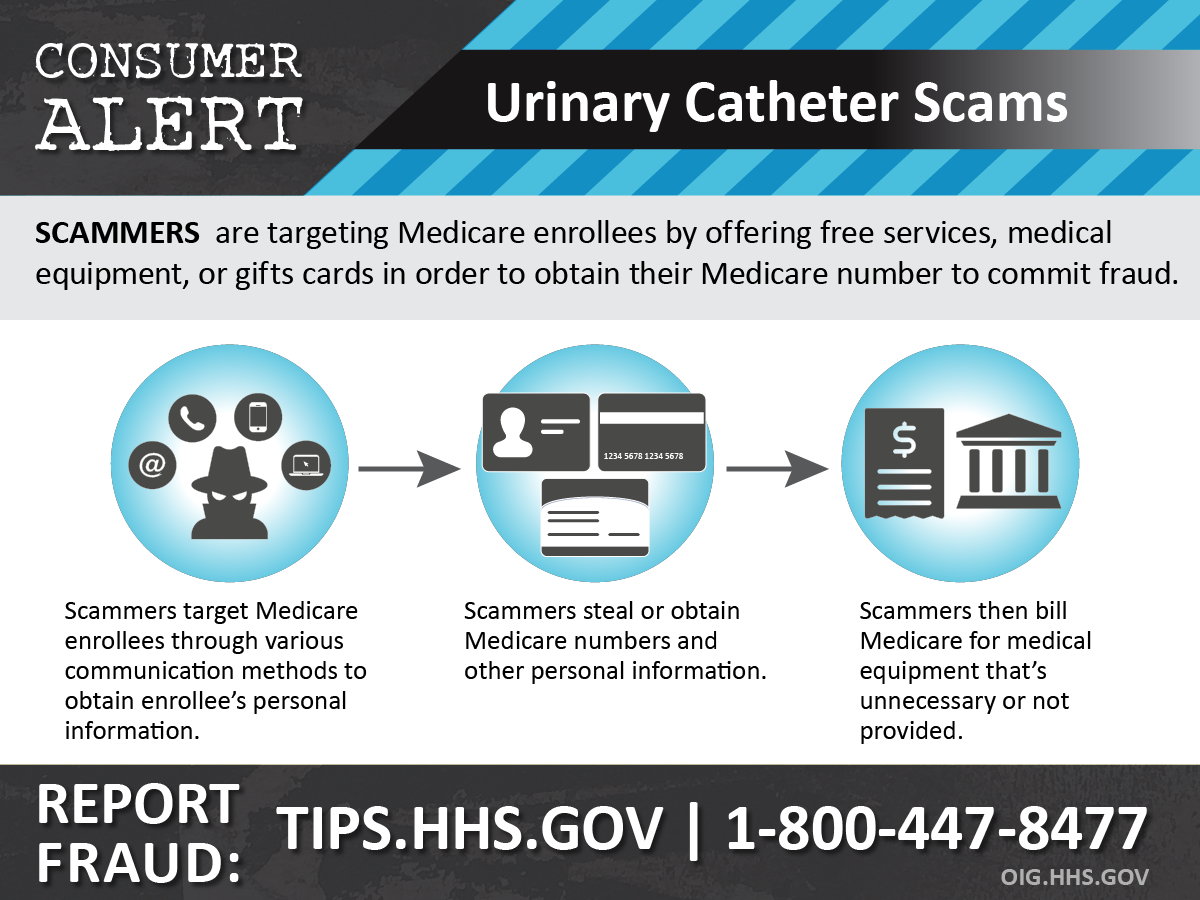
Urinary catheters are essential medical devices used to help individuals who cannot empty their bladders naturally. They play a vital role in managing various medical conditions, including chronic urinary retention, incontinence, or post-surgical care. Different types of catheters, such as indwelling (Foley) catheters, intermittent catheters, and external catheters are prescribed by health care providers based on specific medical needs.
Given their importance, urinary catheters are among the most commonly billed items in the DME category for Medicare and Medicaid beneficiaries. However, this prevalence has also made them a prime target for fraud and abuse, with suppliers exploiting beneficiaries and federal health care programs for financial gain.
Fraudsters often target vulnerable populations with aggressive telemarketing tactics, offering unnecessary catheters or misrepresenting the costs associated with their use. This can lead to patients receiving excessive quantities of items or equipment they do not need. If you or a loved one uses urinary catheters, be vigilant for signs of fraud, such as receiving unsolicited calls or equipment. Always confirm the authenticity of suppliers and check your benefit statements for unauthorized charges.
Preventing DME Fraud
Fraud schemes involving DME can harm beneficiaries, waste taxpayer dollars, and compromise the integrity of federal health care programs. HHS-OIG works proactively to prevent fraud, waste, and abuse through a combination of education, enforcement, recommendations, and collaboration.
Common DME Fraud Schemes
- Billing for Equipment Not Delivered: Suppliers bill Medicare or Medicaid for equipment beneficiaries never receive. In some cases, suppliers use stolen beneficiary identification numbers to submit these claims.
- Providing Unnecessary Equipment: Suppliers bill for items that beneficiaries do not need. In some cases, beneficiaries receive unsolicited phone calls from telemarketers offering them "free" items.
- Upcoding: Suppliers bill for a more expensive version of an item than what was actually provided.
- Falsifying Medical Necessity: Fraudulent providers create fake documentation or obtain it through deceptive or illegal practices to justify billing.
Resources for Health Care Professionals and Beneficiaries
Fraud Alerts and Guidance
- Consumer Alert: Urinary Catheter Scams
- Special Fraud Alert: Telemarketing by Durable Medical Equipment Suppliers
- Compliance Program Guidance For Providers Of Medical Equipment And Supplies
Protect Yourself from DME Fraud
- Be cautious of unsolicited offers for medical supplies.
- Always verify that any equipment you receive matches your doctor's prescription.
- Check your Medicare Summary Notice (MSN) or Explanation of Benefits (EOB) for unauthorized charges.
Report Fraud
If you suspect DME fraud, call our fraud hotline at 1-800-HHS-TIPS or file a complaint online.
Last updated Aug. 20, 2026